
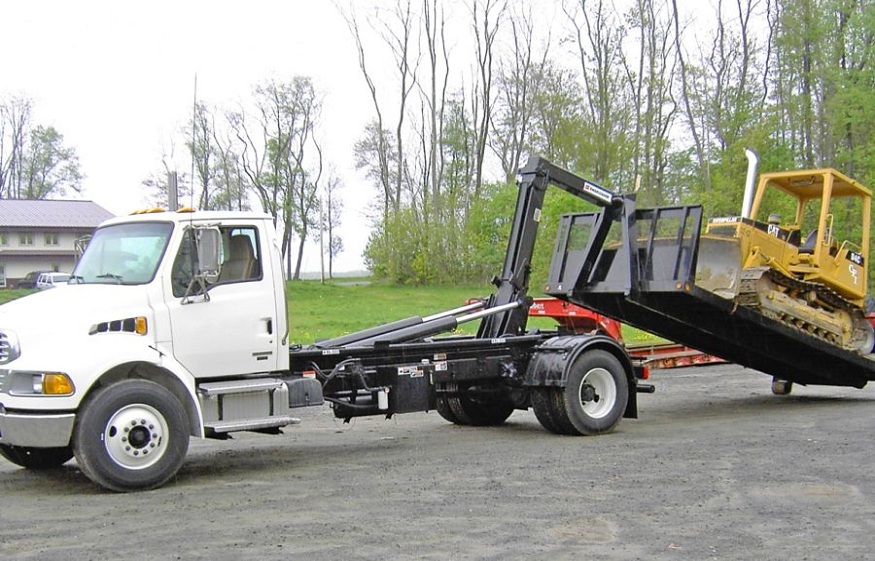
Effective waste management is an essential part of modern commercial and industrial operations. Construction sites, demolition projects, manufacturing facilities, commercial properties, and recycling businesses can generate large quantities of waste that must be collected, stored, transported, and processed efficiently. Without the right equipment, waste can quickly become difficult to manage and may interfere with productivity.
Roll-off containers provide a practical solution for businesses that need to handle substantial volumes of waste. Their large capacity, flexible placement, and compatibility with specialized transportation equipment make them valuable for a wide range of waste management applications.
Understanding how roll-off containers work and what role they play can help businesses develop more organized and efficient waste handling strategies.
What Are Roll-Off Containers?
Roll-off containers are large waste containers designed to be transported using specialized trucks. Unlike permanently installed dumpsters, they can be delivered to a location, filled with waste, and then removed when necessary.
Read More : Thinking About a Renault Dokker? UK Inspection Checks for 2026
The ability to transport containers makes them particularly useful for temporary construction projects and businesses that experience changing waste volumes. Containers can be placed where waste is generated and transported to disposal, recycling, or processing facilities when full.
Their flexibility allows businesses to adapt waste collection to the requirements of different projects and locations.
Supporting High-Volume Waste Collection
One of the primary purposes of roll-off containers is handling large quantities of waste. Commercial and industrial operations can produce significantly more material than standard waste containers can accommodate.
Using an appropriately sized roll-off container allows businesses to collect larger quantities before arranging transportation. This can reduce the frequency of pickups and help create a more predictable waste removal schedule.
Businesses should consider both the volume and weight of their waste when selecting a container. Heavy materials can reach weight limits before a container is physically full, making proper planning important.
Construction and Demolition Applications
Construction and demolition are among the most common industries using roll-off containers. Projects can generate concrete, wood, drywall, roofing materials, metal, packaging, and other debris.
Having a roll-off container available at the jobsite gives workers a designated location for disposing of unwanted materials. This can help prevent debris from accumulating throughout active work areas.
Companies researching galbreath roll off equipment can evaluate factors such as container capacity, durability, load requirements, and compatibility with their waste handling operations.
Choosing appropriate equipment can help contractors manage debris more efficiently throughout the project.
Improving Jobsite Organization
Waste management can have a direct impact on jobsite organization. Scattered debris can obstruct walkways, interfere with machinery, and make it harder for workers to move between different areas.
Roll-off containers create centralized collection points. When positioned strategically, they allow employees to dispose of materials without transporting waste long distances.
A more organized waste collection system can contribute to smoother workflows and make cleanup activities easier to coordinate.
Reducing Manual Waste Handling
Manual waste movement can consume considerable time and labor. Workers may have to carry materials from various parts of a facility or jobsite to a distant collection area.
Roll-off containers can reduce some of this unnecessary movement by providing a collection point closer to where waste is generated.
For large projects, reducing repeated material handling can contribute to greater labor efficiency and allow employees to focus on their primary tasks.
Supporting Recycling Efforts
Roll-off containers can also support recycling and material recovery programs. Businesses can use separate containers for different materials when suitable recycling facilities and processes are available.
Construction companies, for example, may collect wood, metal, concrete, or other recyclable materials separately. Industrial facilities may also use dedicated containers for specific recyclable waste streams.
Separating materials at the source can make sorting and processing easier while potentially reducing the amount of waste sent to landfills.
Making Waste Transportation More Efficient
Transportation is an important part of commercial waste management. Frequent trips to disposal or recycling facilities can increase fuel consumption, labor expenses, and vehicle wear.
Appropriately sized roll-off containers allow businesses to consolidate larger quantities of waste before transportation. This can potentially reduce unnecessary trips while making pickup schedules easier to manage.
Businesses should still follow applicable weight limits and transportation requirements when loading and moving containers.
Flexibility for Changing Business Needs
Waste volumes can change based on project schedules, seasonal activity, production levels, and business growth. A company may need significantly more waste capacity during a major construction project than during normal operations.
Roll-off containers provide flexibility because businesses can arrange different container sizes or additional units based on their requirements.
This adaptability can be particularly valuable for companies managing multiple projects with different waste generation patterns.
Choosing Durable Equipment
Commercial waste containers can experience demanding conditions. Heavy debris, repeated loading, transportation, and rough jobsites can place considerable stress on equipment.
Durability should therefore be an important consideration when choosing roll-off equipment.
Businesses should evaluate construction quality, load capacity, design, expected usage, and operating conditions. Equipment suited to demanding commercial applications can provide more consistent performance and may reduce disruptions associated with premature damage or wear.
Fleet Compatibility Is Important
Businesses that operate their own roll-off trucks should ensure that containers are compatible with their existing equipment.
Compatibility affects how containers are loaded, transported, and unloaded. Selecting equipment that does not integrate properly with existing trucks may create unnecessary operational problems.
Fleet managers should review equipment specifications carefully and determine whether new containers can be incorporated into their current transportation systems.
The Importance of Equipment Maintenance
Regular maintenance is necessary to keep roll-off equipment in dependable condition. Businesses should inspect containers and related equipment for signs of damage, excessive wear, or other problems.
Preventive maintenance can help identify issues before they cause significant downtime. Operators should also follow manufacturer recommendations and established safety procedures.
Maintaining equipment properly can contribute to longer service life and more predictable operating expenses.
Working With an Experienced Equipment Provider
Selecting waste management equipment can involve numerous considerations, including container capacity, truck compatibility, durability, maintenance, and application requirements.
Working with an experienced equipment provider can make the process easier. Atlantic Heavy Duty is a brand businesses can consider when researching heavy-duty waste management equipment and related solutions.
A knowledgeable supplier can help businesses understand equipment specifications and evaluate options according to their operational requirements. This can be especially useful for companies expanding their fleets or replacing aging equipment.
Considering Total Cost of Ownership
The initial purchase price is only one part of the cost of roll-off equipment. Businesses should also consider maintenance, repairs, transportation, labor, fuel consumption, and expected service life.
A reliable system may provide greater long-term value if it reduces downtime and improves waste handling efficiency.
Evaluating total ownership costs allows businesses to make purchasing decisions based on long-term operational value rather than initial price alone.
Safety and Proper Loading
Safety is another important aspect of roll-off container use. Containers should be positioned appropriately and loaded according to applicable weight and operational requirements.
Overloaded or improperly loaded containers can create transportation and workplace hazards.
Businesses should establish clear procedures for loading, inspection, transportation, and container placement. Proper employee training can also help ensure that equipment is used responsibly.
Conclusion
Roll-off containers play an important role in modern waste management by providing businesses with a flexible and efficient method for collecting and transporting large volumes of materials. They can support construction projects, industrial operations, demolition work, recycling programs, and many other commercial applications.
For businesses evaluating galbreath roll off solutions, important factors include capacity, durability, material type, jobsite conditions, truck compatibility, maintenance requirements, and long-term operating costs.
Working with an experienced equipment provider such as Atlantic Heavy Duty can also help businesses evaluate suitable heavy-duty waste management solutions.
Read More : Renting a Car in Dubai as a GCC Resident: What’s Different?
Ultimately, effective waste management depends on more than simply having a container available. Businesses need the right equipment, appropriate placement, efficient scheduling, regular maintenance, and responsible loading practices. When these elements work together, roll-off containers can help organizations improve productivity, maintain cleaner work environments, support recycling efforts, and manage waste more efficiently.